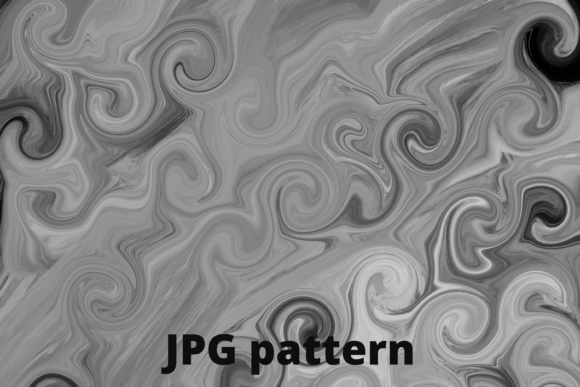
Wavy Pastel Color Abstract Background: A Designer's Dream Asset
When you're working on a project that needs a gentle, inviting visual foundation, the background you choose can make or break the entire composition. A wavy pastel color abstract background offers something rare in the world of design assets: it's versatile enough to support countless creative directions while maintaining a distinct personality that feels both contemporary and timeless. This particular background, delivered as a high-resolution 4500 x 3000 pixel JPEG at 300 dpi, gives you the kind of quality that works seamlessly across digital screens and printed materials alike.
The visual characteristics of this abstract background are worth exploring in detail. Imagine soft, flowing waves that move across the composition with an organic rhythm—nothing rigid or geometric, but rather the kind of gentle undulation you might see in watercolor paintings or silk fabric catching a breeze. The pastel palette keeps everything feeling approachable and warm, avoiding the harshness that saturated colors sometimes introduce. There's a quiet confidence in how the colors blend and transition, creating depth without demanding attention. This is the kind of background that supports your foreground content rather than competing with it, which is exactly what most designers need.
Where This Abstract Background Truly Shines
Think about the projects where softness and sophistication need to coexist. Brand identity work for wellness companies, beauty brands, lifestyle blogs, and boutique businesses often calls for exactly this kind of visual language. The wavy pastel color abstract background communicates care, creativity, and modernity without saying a word. If you're building a logo design presentation or developing brand guidelines, using this background in mockups instantly elevates the perceived quality of the work.
Web design projects benefit enormously from abstract backgrounds like this one. Hero sections, landing pages, and about pages for personal brands or small businesses gain immediate visual interest when layered with this kind of texture. The resolution is generous enough that you can crop into specific areas of the composition and still maintain crisp detail, giving you multiple usable variations from a single file. For social media graphics, this background works beautifully behind quote posts, announcement tiles, story templates, and promotional content where you want the text to remain the focal point.
Packaging design is another area where this background earns its place in your asset library. Products targeting health-conscious consumers, handmade goods, artisanal food items, or children's products often benefit from the gentle aesthetic that pastel waves provide. The background can wrap around boxes, fill label space, or serve as tissue paper patterns that create a cohesive unboxing experience. Editorial design projects—magazine layouts, book covers, zine interiors—also pair well with this kind of abstract foundation, particularly for lifestyle, fashion, or creative industry publications.
Practical Considerations for Your Projects
Before incorporating any design asset into your workflow, it's worth evaluating how it fits with your existing visual language. The wavy pastel color abstract background works best when your project calls for warmth, approachability, and a sense of creative refinement. If you're designing for a corporate law firm or an industrial equipment manufacturer, this probably isn't your match. But for the vast majority of consumer-facing brands, creative portfolios, and personal projects, it slides into place naturally.
One important detail worth noting: colors on your screen will appear differently than they do in print. Every monitor displays color slightly differently, and the gap between digital and physical color reproduction is real. If you're planning to use this background in printed materials, order a test print before committing to a large run. This isn't unique to this particular file—it's a reality of working with any digital design asset—but it's worth keeping in mind as you plan your project.
The JPEG format at 300 dpi gives you flexibility for both digital and print applications. Social media posts, website banners, email headers, and digital presentations will look sharp and professional. Print applications like business cards, flyers, posters, brochures, and product packaging will maintain quality at standard commercial print sizes. The 4500 x 3000 pixel dimensions provide enough resolution for most common print formats without requiring significant upscaling.
Integrating It Into Your Creative Process
Here's a practical approach I'd recommend: download the file, unzip it, and place it into three or four active projects you're currently working on. Don't just admire it in isolation—test it in context. Layer your typography over it. Try it behind product photography. Use it as a subtle texture in a larger composition. The real value of any background reveals itself through use, not through browsing thumbnails in a folder.
When pairing text with this background, consider how contrast affects readability. Light pastels can wash out thin, light-weight typefaces, so you'll want to lean toward medium or bold weights, or opt for darker text colors that anchor firmly against the soft background. Sans serif fonts with clean geometry tend to work particularly well here, though a well-chosen serif font can add an elegant editorial quality. Test a few combinations before settling on your final typographic choices.
For content creators and small business owners who handle their own design work, this kind of background solves a persistent challenge: how to create professional-looking visuals without spending hours building custom graphics from scratch. Having a library of high-quality abstract backgrounds means you can produce consistent, polished content quickly. The immediate download availability means you can put it to work right away—no waiting for shipping, no physical product to store, just a file ready for your next project.
Whether you're a graphic designer building client presentations, a blogger creating weekly social content, a marketer developing campaign materials, or a hobbyist exploring creative projects on weekends, a thoughtfully designed abstract background like this one earns its place in your toolkit. It's the kind of asset you'll reach for repeatedly, finding new applications each time you open it.